Kumadinya: A Quirky Brushed Display Font for Creative Projects
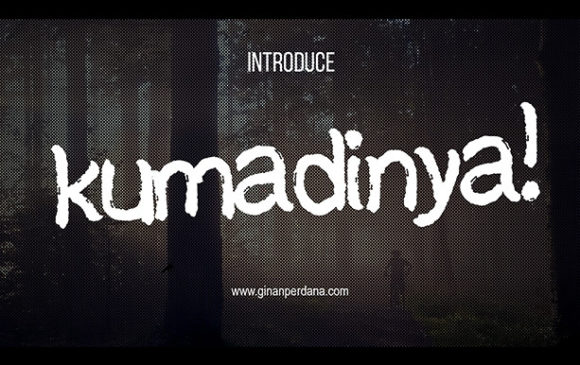
Kumadinya is a distinctive brushed display font that offers a unique blend of creativity and character. Designed for visual appeal, this font stands out with its hand-drawn aesthetic and dynamic strokes. Whether used in branding, editorial design, or digital media, Kumadinya brings a sense of energy and individuality to any project. Its versatility makes it a valuable addition to any designer's font library.
What Makes Kumadinya Unique?
Kumadinya is characterized by its brush-like strokes and irregular, organic shapes. Unlike traditional serif or sans-serif fonts, it mimics the texture and movement of hand-painted lettering. This gives it a personal, artisanal feel that can add depth and interest to designs. The font’s variations in weight and spacing also allow for creative flexibility, making it suitable for a range of applications.
The font’s name, Kumadinya, reflects its playful and unconventional nature. It is not designed for formal or corporate settings but rather for projects that benefit from a more expressive and artistic approach. Its quirky style can evoke a sense of fun, nostalgia, or authenticity, depending on how it is used.
Reasons to Consider Kumadinya
Designers and creatives may be drawn to Kumadinya for several reasons. First, its distinct appearance sets it apart from more conventional fonts, making it ideal for projects that require a unique visual identity. Second, its handcrafted look can add a human touch to digital designs, which is especially appealing in an era dominated by clean, minimal aesthetics.
Additionally, Kumadinya is well-suited for use in logos, headings, and promotional materials where a bold and memorable presence is needed. Its brush-like strokes can create a sense of motion and fluidity, enhancing the overall visual impact of a design. For those looking to experiment with typography, this font provides an opportunity to explore new styles and techniques.
Benefits of Using Kumadinya
One of the main advantages of Kumadinya is its ability to add personality and flair to a design. Its irregularities and variations make it feel more authentic and less rigid than many other fonts. This can be particularly beneficial for brands or projects that aim to convey creativity, innovation, or a more casual tone.
Another benefit is its adaptability. While it is primarily a display font, it can be used in a variety of contexts, provided it is paired appropriately with other typefaces. When combined with simpler, more neutral fonts, Kumadinya can serve as a focal point without overwhelming the overall composition.
Moreover, the font’s uniqueness can help differentiate a project from others. In a competitive design landscape, using a distinctive font like Kumadinya can make a brand or piece stand out, increasing its memorability and impact.
Considerations and Tradeoffs
Despite its strengths, Kumadinya may not be suitable for every project. Its stylized appearance can be challenging to read in large blocks of text, making it less ideal for body copy. Designers should consider the readability of the font when deciding where to use it. In such cases, alternatives with clearer legibility may be more appropriate.
Additionally, the font’s unconventional style may not align with all design aesthetics. For example, in formal or minimalist environments, Kumadinya could appear too informal or inconsistent. It is important to evaluate whether the font’s characteristics match the intended message and audience.
Another consideration is the availability of the font. If it is not widely available or requires specific licensing, this could limit its usability. Designers should verify the terms of use and ensure that the font is accessible for their particular needs.
Situations Where Kumadinya Shines
Kumadinya excels in situations where visual interest and creativity are prioritized. It is particularly effective in branding, where a strong and memorable identity is essential. For instance, startups, creative agencies, or boutique businesses may find that this font helps establish a distinctive brand voice.
It is also well-suited for editorial design, such as magazine covers, posters, or social media graphics. In these contexts, the font’s dynamic strokes can enhance the visual storytelling and draw attention to key elements. Its versatility allows it to work across different mediums, including print and digital formats.
Furthermore, Kumadinya can be a great choice for personal projects or artistic expressions. Whether designing a portfolio, a website, or a personal logo, the font can add a unique and expressive touch that reflects the creator’s individual style.
When Alternatives May Be Better
In some cases, alternative fonts may be more appropriate. For example, if a project requires high readability, a more traditional font such as Helvetica, Arial, or Georgia may be preferable. These fonts are designed for clarity and consistency, making them better suited for long-form text or professional settings.
For designers who prefer a more structured or modern look, other brushed or hand-drawn fonts may offer similar benefits with greater legibility. Fonts like Brush Script or Pacifico, for instance, provide a similar artistic feel while being more versatile in different contexts.
Ultimately, the decision to use Kumadinya depends on the specific goals and requirements of the project. It is important to test the font in various scenarios and assess whether it meets the desired visual and functional outcomes.
Practical Insights for Decision-Making
When evaluating Kumadinya, designers should consider the context in which it will be used. Is the font going to be a headline, a logo, or part of a larger typographic system? Understanding the role of the font within the design can help determine its suitability.
Testing the font in real-world applications is also crucial. Designers should experiment with different sizes, colors, and backgrounds to see how the font performs in various conditions. This can reveal potential issues with legibility or consistency that may not be apparent at first glance.
Finally, seeking feedback from others can provide valuable insights. Colleagues, clients, or target audiences may have different perspectives on how the font looks and feels. Their input can help refine the decision-making process and ensure that the final design meets the intended goals.
In summary, Kumadinya is a distinctive and expressive font that can enhance creative projects with its unique brush-like style. While it may not be suitable for every application, its versatility and character make it a compelling choice for designers looking to add a personal and artistic touch to their work.